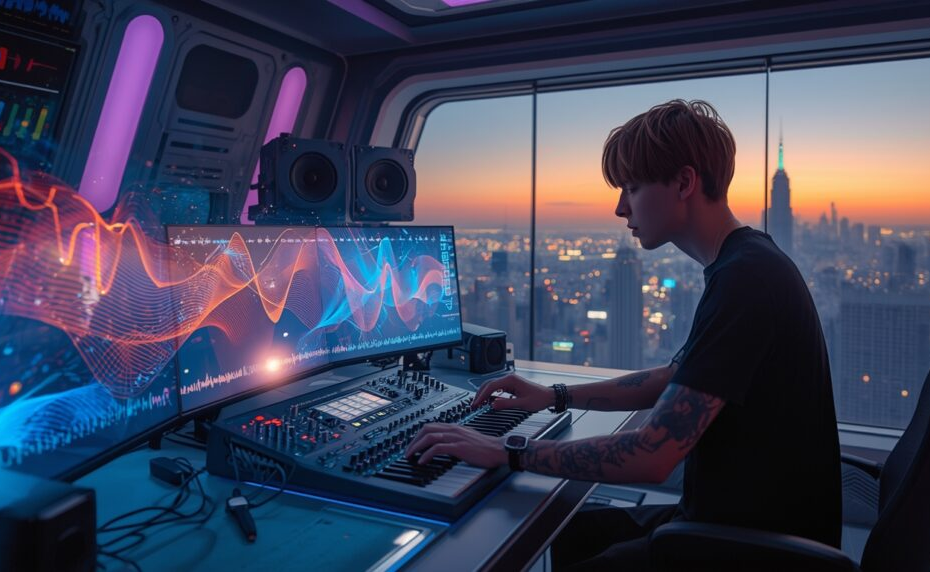
Picture this: you open your favorite streaming app, and it already knows exactly what you want to hear. It recommends an independent artist from across the world, introduces you to a new genre, and predicts your next favorite song before anyone else discovers it. At the same time, artists are using artificial intelligence (AI) to overcome creative blocks, produce music more efficiently, and connect with audiences in entirely new ways.
The future of music is no longer something to imagine, it’s happening now. Advances in music technology, AI in music, and streaming platforms are changing how songs are created, distributed, and experienced. While these innovations create exciting opportunities for artists and listeners, they also raise important questions about creativity, copyright, and fair compensation.
In this article, we’ll explore how artificial intelligence in music, music streaming, recommendation algorithms, and new digital experiences are shaping the future of the music industry and what these changes mean for artists and fans alike.
Want the backstory first? Read The Powerful Rise of Digital Music Culture in the Streaming Era to learn how streaming transformed the way we discover and enjoy music ahead.
Artificial Intelligence Is Becoming a Creative Partner
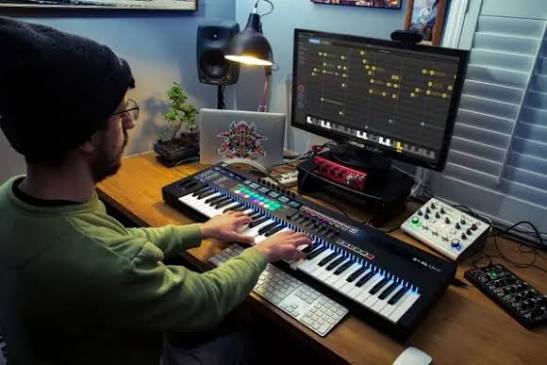
When people hear the phrase AI in music, they often imagine robots replacing musicians. In reality, AI is becoming a creative assistant rather than a replacement.
Throughout history, technology has helped artists work more efficiently. Digital recording replaced expensive analog studios, virtual instruments expanded creative possibilities, and cloud collaboration allowed musicians to create together from anywhere in the world. Artificial intelligence is simply the next step in that evolution.
Instead of writing complete songs on its own, AI helps musicians generate ideas, improve production quality, and simplify repetitive tasks so they can spend more time focusing on creativity.
AI-Assisted Songwriting and Production
Today’s AI tools can assist artists by:
- Suggesting melodies and chord progressions
- Brainstorming lyric ideas
- Cleaning background noise from recordings
- Isolating instruments from audio tracks
- Assisting with mixing and mastering
These tools reduce production costs and make professional-quality recording more accessible than ever before.
For independent artists, this is especially important. Affordable AI software allows musicians to produce high-quality music without renting expensive studios or hiring large production teams. As a result, talented creators can compete with larger labels while maintaining creative control over their work.
Keep exploring: Curious how tech already reshaped the way we experience music? Check out The Impact of Music Videos in the Music Industry to see how visual storytelling evolved right alongside the songs.
AI is Already Reshaping the Industry
Several artists have already demonstrated how AI can be used responsibly.
The Beatles’ song Now and Then used machine learning to restore John Lennon’s vocals from an old demo, allowing the band to complete a song that otherwise may never have been released.
Other musicians, including Grimes, have experimented with AI voice technology while advocating for fair royalty sharing when their voices are used.
These examples show that AI doesn’t have to replace creativity. It can preserve music history and inspire new artistic possibilities.
The Challenges of Artificial Intelligence
Despite its advantages, artificial intelligence in music raises important concerns.
Voice cloning technology can now imitate artists with remarkable accuracy, making it possible to create unauthorized songs using someone’s voice. This has sparked ongoing debates about:
- Copyright ownership
- Artist consent
- Licensing
- Fair compensation
- Transparency when AI contributes to music creation
As the technology evolves, governments, record labels, and technology companies continue working toward policies that protect artists while encouraging innovation.
One thing remains clear: AI can generate ideas and automate repetitive tasks, but it cannot replace the personal experiences, emotions, and stories that make music meaningful.
Related reading: Explore The Impact of Music Videos to learn how technology has transformed music in other creative ways.
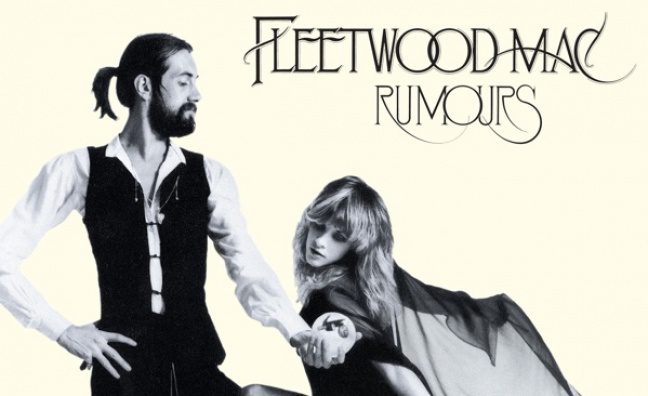
Exhibit A: Fleetwood Mac’s Dreams, released in 1977. In 2020, a guy named Nathan Apodaca posted a video of himself skateboarding down a highway, sipping cranberry juice, lip-syncing along. That’s it. That’s the whole video. It blew up, introduced an entire generation to a 43-year-old song, and sent it rocketing back up the charts worldwide.
Kate Bush had a similar moment in 2022 when Running Up That Hill (1985) landed in a pivotal scene in Stranger Things. Cue an explosion of interest across TikTok and streaming, introducing the song to listeners who weren’t even alive when it first came out.
The Downside: Filter Bubbles and Skip Culture
These stories show off the best of what algorithms can do: resurrect old classics and hand emerging artists a shot they’d never have gotten from radio alone. Independent musicians who understand how these platforms work can build a real audience without waiting around for an industry gatekeeper to say yes.
But algorithms aren’t flawless matchmakers. Because they’re built to recommend “more of what you already like,” listeners can get trapped in a “filter bubble,” a cozy loop of familiar sounds that quietly edges out anything new or different. Convenient? Sure. Great for musical diversity? Not so much.
Artists feel the squeeze too. On streaming platforms, the first few seconds of a song now matter more than almost anything else, because listeners can skip in a heartbeat. That pressure has quietly reshaped songwriting, production, even how long songs are, as artists chase engagement instead of just writing a good song.
Even with those wrinkles, algorithmic discovery has made the industry more democratic than it’s ever been. A teenager recording in their bedroom now has a real shot at reaching listeners across the globe, no radio programmer, no label executive required.
Looking ahead, expect algorithms to get even sharper, recommending music by mood, activity, location, maybe even biometric data from your smartwatch. Exciting stuff, sure. But it’s also a good reminder to occasionally go off-script and dig for something the algorithm never would have handed you.
Join the conversation: Ever discovered an artist through a random playlist or viral video? Head over to our Community page and swap stories with other music fans who love chasing down the tale behind the song.
Independent Artists Have More Power Than Ever
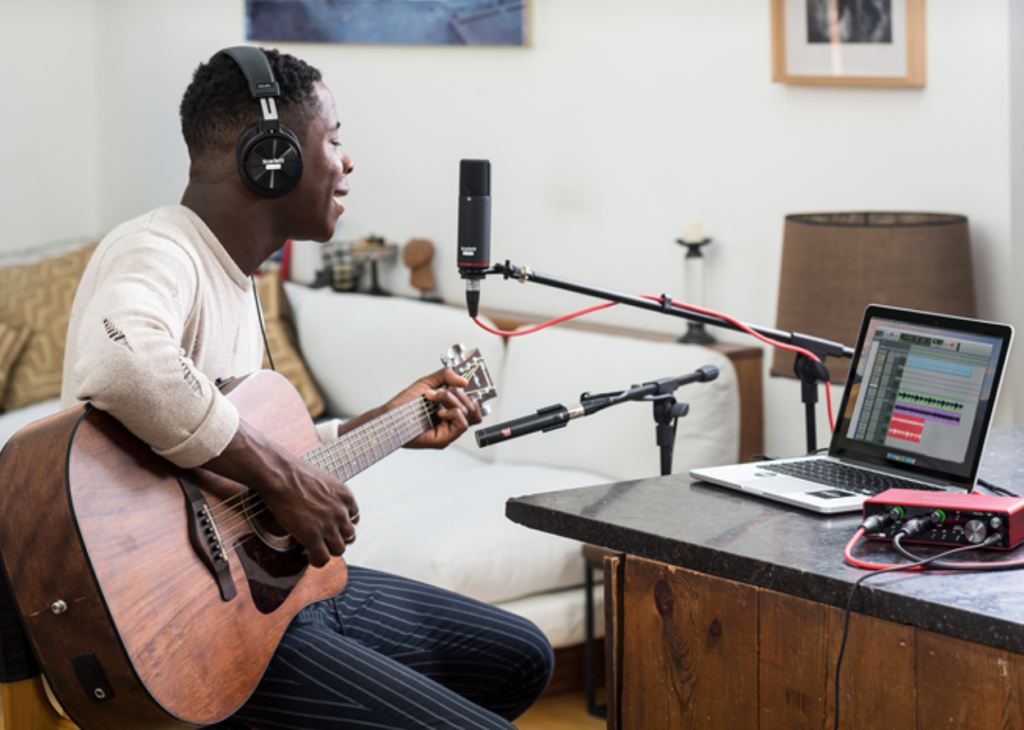
Not long ago, breaking into music took more than raw talent. You needed a label to bankroll studio time, press physical albums, get airplay, and land your music in stores. No label backing? Good luck reaching anyone outside your zip code.
Technology blew that whole system wide open, and it’s one of the clearest signs of where the future of music is heading: toward artists, not gatekeepers.
Recording Studios Are No Longer the Only Option
Programs like Ableton Live, Logic Pro, FL Studio, and Pro Tools have put studio-grade tools directly into bedrooms everywhere. Musicians aren’t boxed in by geography or studio rates anymore. Collaborators trade files across time zones and finish entire projects without ever shaking hands. AI is quietly handling more of the technical grunt work too, making pro-level production achievable even on a shoestring budget.
That doesn’t mean traditional studios are obsolete. The acoustics, gear, and seasoned engineers still matter. But technology has thrown open a lot more doors, and artists get to choose which one to walk through.
Reaching a Global Audience
Making the music is only half the battle. Getting it heard used to be the other, much harder half.
Now, platforms like DistroKid, TuneCore, and CD Baby let independent artists drop their music on Spotify, Apple Music, Amazon Music, and dozens of other services, no record deal required. One release, and you’re potentially in front of listeners in nearly every country on earth.
Social media supercharges that reach even further. A single TikTok clip can spark a dance trend, a wave of covers, or a flood of fan videos that introduce a song to millions overnight. Instagram Reels and YouTube Shorts have also become launchpads in their own right.
Building Communities Instead of Chasing Numbers
One of the biggest shifts in the industry is how artists and fans actually talk to each other. No more relying on labels, radio spots, or magazine profiles as the go-between. Musicians can just talk to their fans, every day.
Discord, Patreon, Bandcamp, Twitch, Instagram: these have become the backstage pass. Behind-the-scenes content, livestreamed rehearsals, direct Q&As, real community-building. Fans have stopped being passive listeners and started being active participants, buying merch, backing crowdfunding campaigns, joining membership tiers, and spreading the word themselves.
For independent musicians, a tight-knit fanbase of a few thousand loyal people can be worth more than millions of casual streams. That’s the bigger shift happening in the future of music: success measured by genuine connection, not just raw numbers.
Independent Success Stories
Some artists have already proven that going it alone isn’t just possible. It’s a legitimate long game.
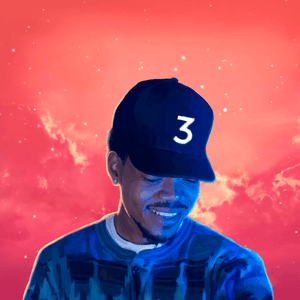
Chance the Rapper became a household name by dropping his acclaimed mixtape Coloring Book exclusively on streaming, no label needed. Russ built a loyal following the slow, steady way, releasing music consistently for years, producing it himself, and holding onto ownership of his work. Australian artist Tash Sultana blew up after videos of their mesmerizing live looping performances spread across YouTube, building a global fanbase before any major label ever got involved.
Different roads, same lesson: they used technology to amplify what they were already doing, instead of waiting for someone else’s permission to be “discovered.”
Opportunity Comes With New Challenges
More access also means way more competition. Over 100,000 new songs get uploaded to streaming platforms every single day. Standing out takes more than a great hook now. Artists need to understand branding, content creation, marketing, and analytics on top of actually making music.
Related read: If you’re curious how these pressures affect musicians, check out The Hidden Cost of Hustle Culture in Music and Modern Creativity, which digs into the toll of an industry that rewards nonstop visibility.
Even so, independent artists have more real opportunity than any generation before them. The future of music belongs to artists who embrace the tools without losing their voice in the process.
The Future of Live Music
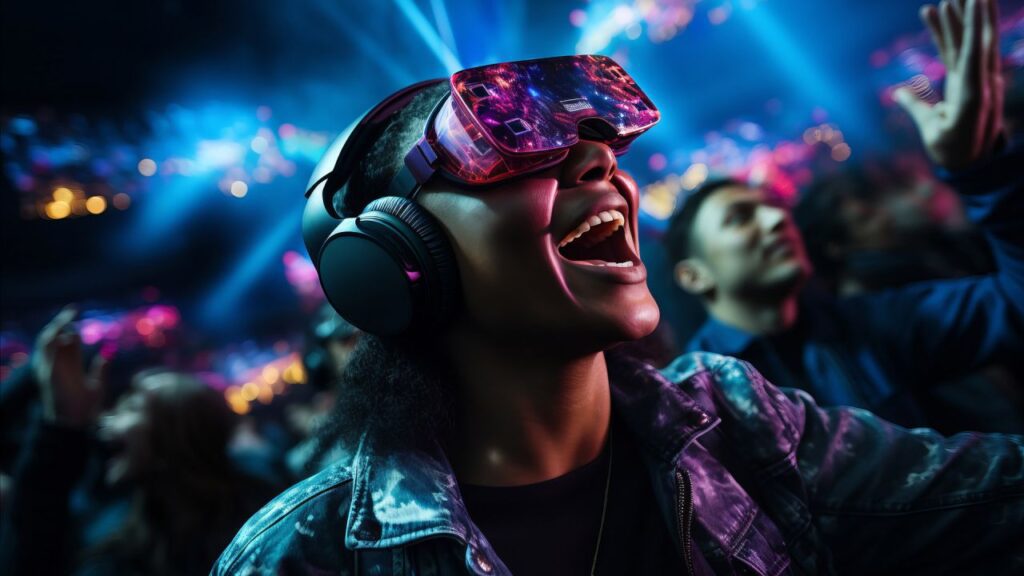
There’s nothing quite like standing in a packed crowd as the lights drop, the first note hits, and thousands of strangers suddenly sing the same lyric at the top of their lungs. Live music has never been just about hearing an artist. It’s about that jolt of shared emotion with a room full of people you’ve never met.
Technology isn’t trying to replace that. It’s expanding it. The future of live music isn’t “screen versus stage.” It’s both, working together.
Virtual Concerts Open New Doors
Virtual concerts had their big breakout moment during the COVID-19 pandemic, when livestreaming suddenly became the only way for artists to reach anyone at all. But some took it much further than a simple stream.
Travis Scott’s virtual concert inside Fortnite is the poster child here: over 27 million unique participants across multiple shows, blending music, gaming, and interactive spectacle into something no physical venue could pull off. Ariana Grande and Lil Nas X have run similar experiments inside gaming platforms, proving concerts can now exist somewhere that isn’t a “place” at all.
None of this replaces a real concert. It just opens the door for fans who can’t make it in person, whether that’s travel costs, accessibility, or geography getting in the way.
Livestreaming and Augmented Reality
You don’t need a Fortnite-sized budget to connect with fans, either. Platforms like YouTube, Twitch, Instagram Live, and TikTok Live let artists perform straight from a bedroom or rehearsal space, creating a more intimate experience than a massive arena ever could.
Meanwhile, augmented reality (AR) is starting to blur the line between the stage and the audience’s phone screen. Unlike VR, which drops you into a fully digital world, AR layers digital extras onto the real one: interactive visuals synced to the music, smartphone overlays, festival-exclusive digital collectibles.
See how it connects: Curious how visuals shape the way we experience music? Take a look at How Music Enhances Visual Storytelling to see how sound and imagery team up to create moments that stick.
Hybrid Concerts Offer the Best of Both Worlds
Hybrid concerts might be the most exciting development yet, blending a real, in-person show with a polished digital experience for fans watching from anywhere. Imagine a sold-out venue and, simultaneously, a professionally produced livestream with multiple camera angles, backstage interviews, and a live chat buzzing with fans across the globe.
For artists, that means a show is no longer capped by a venue’s seating chart. It can reach a global audience while opening up brand-new revenue streams.
Here’s the thing tech still can’t touch, though: the feeling of standing shoulder-to-shoulder with a few thousand strangers, all screaming the same lyric at once. No screen replicates that. Technology can widen access and dream up dazzling visuals, but the emotional charge between a performer and a crowd is still the actual heartbeat of a concert.
Where Streaming Is Headed Next
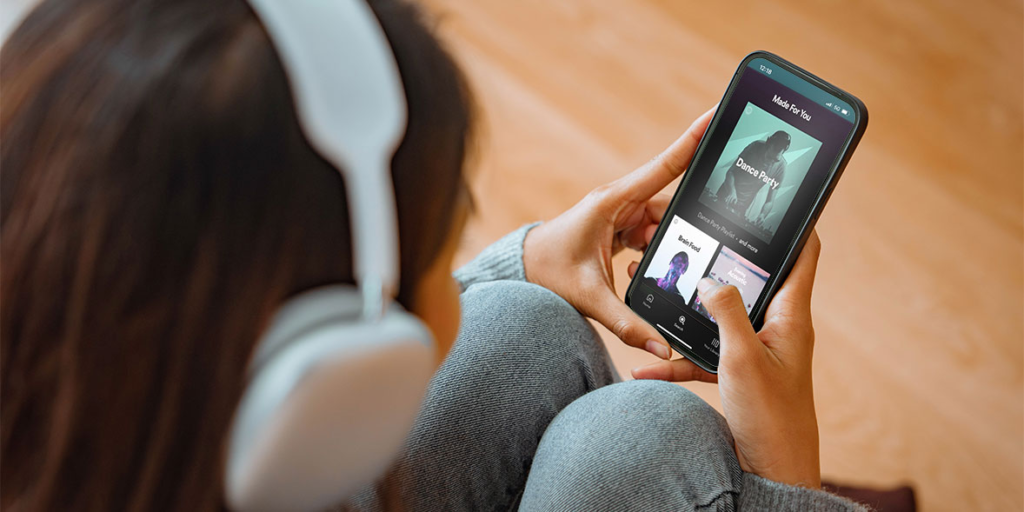
Streaming has reshaped the music industry more than almost any other piece of technology in the last twenty years. Millions of songs, instantly available, letting listeners bounce between new discoveries and old favorites without missing a beat. As part of the future of music, streaming is evolving beyond simply delivering songs.
Higher-Quality Audio Is Becoming More Accessible
Convenience used to come at a cost: audio quality. Early streaming platforms prioritized speed over fidelity. That’s shifting. Apple Music, Amazon Music, TIDAL, and Qobuz all now offer lossless and high-resolution audio, letting listeners hear far more detail and clarity than the old compressed standard. Spotify has floated plans for a premium high-fidelity tier too.
The Conversation Around Artist Compensation
Streaming made music more accessible than ever, but it also opened up a messy, ongoing debate about whether artists are actually getting paid fairly. Royalties are generally tied to total stream counts, but the payout per stream shifts depending on the platform, licensing deals, and even where in the world the stream happened.
That’s pushed industry leaders and artists to explore new payment models, including “user-centric” systems where your subscription fee goes mostly to the artists you actually listen to, instead of getting pooled across the entire platform.
AI Personalization and Direct Fan Connections
AI’s fingerprints are all over streaming now, way beyond just helping write songs. Recommendation engines are getting scarily good at reading listening habits, tastes, even daily routines. Spotify’s AI DJ pairs personalized picks with commentary, making the whole thing feel less like scrolling a playlist and more like hanging out with a friend who has great taste.
Streaming is also turning into more than just a jukebox. Platforms are layering in exclusive content, live sessions, behind-the-scenes clips, merch integration, and artist memberships, giving musicians new ways to connect with fans and new income streams outside of straight royalties.
Go deeper: Curious how cultural influence travels across borders? Check out for a look at how inspiration crosses oceans and shapes new generations of musicians.
What Will Never Change About Music
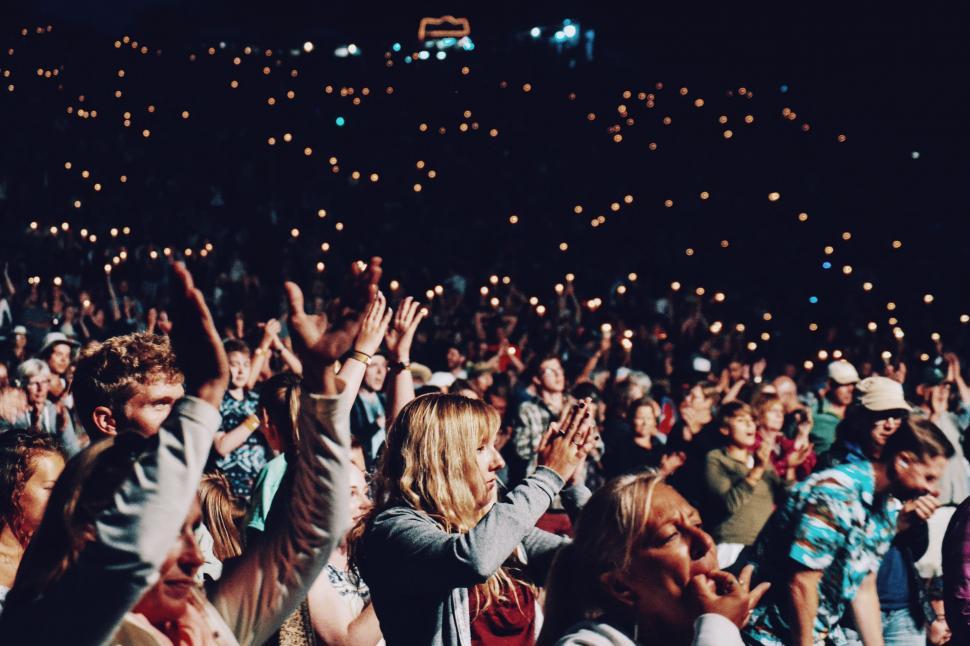
Technology has rewired nearly every corner of the music industry. Artists record full albums from a bedroom. Streaming hands us instant access to virtually every song ever made. Algorithms play matchmaker between listeners and new genres. Virtual concerts let fans experience a show from anywhere on the planet.
And yet, through all of it, the actual point of music hasn’t budged an inch.
Music still shows up at our biggest milestones. It still comforts us on the worst days, fuels movements, keeps culture alive, and locks memories into place that stick around for decades. No algorithm can replicate the electricity of hearing your favorite artist perform live for the first time. AI can spit out a melody or clean up a vocal track, but it can’t live your life for you, and it’s your life that actually writes the song worth hearing.
Every major leap in music history (vinyl, cassettes, CDs, downloads, streaming) changed how we experience music while leaving its core job untouched: bringing people together. The next chapter of the future of music won’t be any different.
Every generation experiences music differently. But every generation reaches for it for exactly the same reasons. We celebrate with it. We heal through it. We protest with it. We connect because of it. We tell our stories through it. That part isn’t going anywhere, no matter what gets invented next.
What’s Next for the Future of Music
The music industry has never sat still, and honestly, that’s exactly why it keeps pulling people in. From AI and streaming to virtual concerts and independent creators, technology keeps flinging open doors that past generations could only dream about. But every one of these innovations comes with the same reminder: progress means the most when it supports creativity, not when it tries to replace it.
As listeners, we get to help shape what comes next, by chasing down new artists, backing independent musicians, showing up to live shows, and staying curious about where music goes from here.
Don’t miss what’s next: Subscribe to The Sonic Archive newsletter to get our latest deep dives on the future of music, artist spotlights, and industry trends delivered straight to your inbox.
At The Sonic Archive, we believe every song has a story worth digging into. Whether you’re into music history, emerging tech, visual storytelling, or the cultural ripple effects of sound, there’s always something new here to explore.
Ready to keep going? Visit our Community page to connect with fellow music lovers, swap your favorite discoveries, and dive into conversations about the stories behind the music.
One more stop: Want to see everything The Sonic Archive has to offer? Visit our Where to Find Us page to explore all our platforms and stay connected wherever you like to discover music.