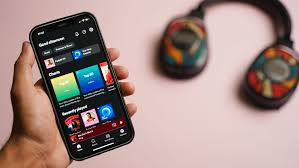
There was a time when music had a physical weight. You bought a CD. You unfolded the liner notes. You committed to an album front to back. The experience was intentional. Slow. Linear.
Today, music floats. It lives in the cloud. It travels through algorithms. It finds you before you go looking for it. This is the era of Digital music culture and it has quietly reshaped not just the music industry, but the way we experience identity, emotion, and connection.
If our recent piece on The Sound of Survival explored how economic shifts shape music, this conversation goes one layer deeper. Because before music can reflect culture, it has to reach us. And in today’s world, that access point is digital.
From Ownership to Access
Streaming didn’t just change distribution. It changed psychology. When platforms like Spotify, Apple Music, and YouTube normalized subscription listening, we stopped owning music and started accessing it.
That shift matters. Ownership encourages attachment. Access encourages exploration. In Digital music culture, discovery is frictionless. You’re one click away from a genre you’ve never heard before. A playlist built by a stranger. A song uploaded from someone’s bedroom across the world.
Music is no longer scarce. It’s infinite. When something becomes infinite, our relationship to it changes.
The Algorithm as Curator
In the past, radio programmers were the gatekeepers. Record labels controlled exposure. Physical shelf space determined what survived.
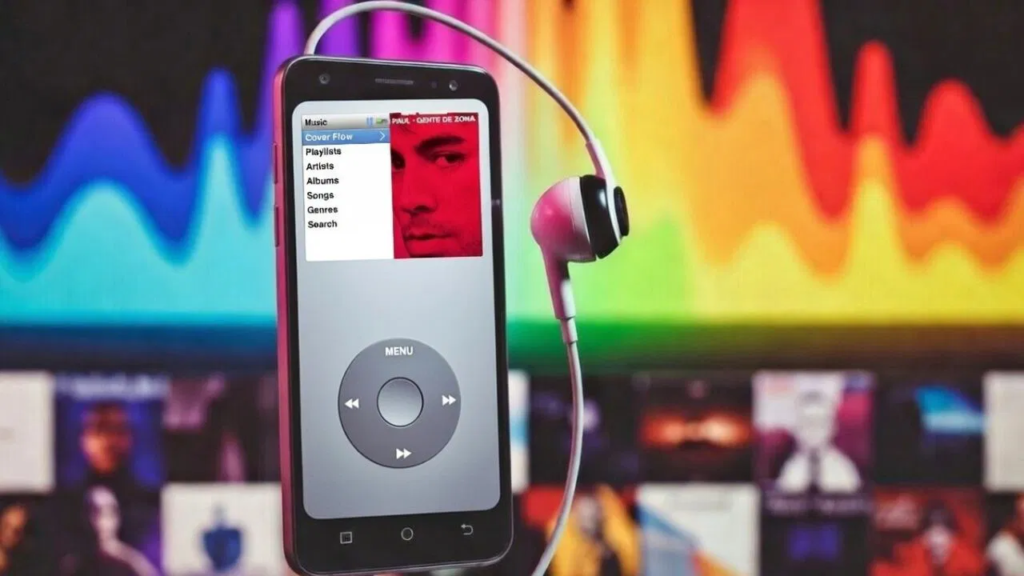
Now, the algorithm curates. It’s powered by recommendation engines that learn your mood, your habits, even the time of day you listen. Your “Discover Weekly” isn’t random. It’s behavioral psychology wrapped in convenience.
This has created an entirely new dynamic: music isn’t just released into the world it’s optimized for discovery. Hooks arrive faster. Songs are often shorter. Intros get tighter. Artists think about playlist placement as much as album cohesion. The first 10 seconds matter more than ever.
That doesn’t mean creativity is dying. It means creativity is adapting to infrastructure. Every era’s technology shapes its sound. Vinyl shaped albums. MTV shaped visuals. Streaming shapes attention.
Digital music culture is not just about distribution. It’s about design.
The Rise of the Independent Artist
One of the most powerful aspects of Digital music culture is democratization. You no longer need a major label to release music globally. A laptop, a microphone, and a distribution platform can put your song in front of millions.
Platforms like TikTok have accelerated this shift. A 15-second clip can launch a career. Virality can bypass traditional industry hierarchies overnight. But here’s the nuance, while access is democratized, attention is competitive.
That evolution rewards consistency, engagement & visual storytelling. Artists aren’t just musicians anymore. They are brands, content creators & community builders. For students and creatives watching this unfold, it’s both empowering and overwhelming. You can build something from nothing. But you have to understand the ecosystem.
Playlists, Identity, and Emotional Curation
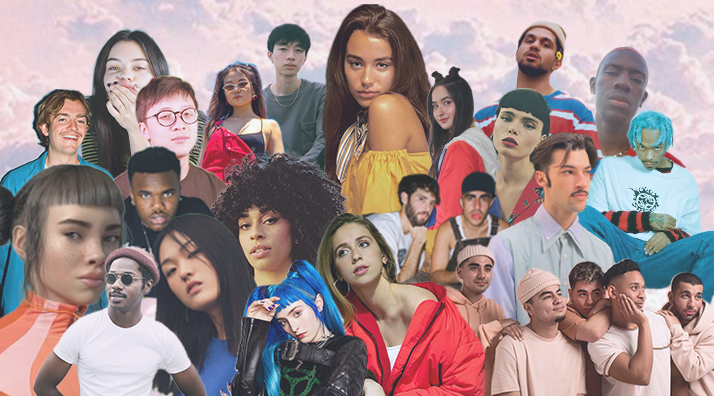
In the streaming era, playlists have replaced albums as cultural currency.
Think about it. We don’t just share songs anymore. We share moods such as Late Night Drives, Gym Motivation & Existential Study Hours.
This shift allows listeners to curate soundtracks for micro-moments of their lives. Music becomes emotional architecture, a way to shape how we feel in real time.
For a generation deeply aware of mental health, identity, and self-expression, this matters.
Music isn’t just background noise. It’s a self-regulation tool. A personality extension. A digital diary, streaming platforms track listening habits, our emotional patterns are quietly being mapped.
That intersection of emotion and data are one of the defining tensions of Digital music culture.
The Album Isn’t Dead, It’s Evolving
There’s a common narrative that streaming killed the album. That’s not entirely true.
What Digital music culture did was shift the power dynamic. Albums are no longer the default consumption format. They’re intentional statements.
When artists drop full-length projects now, it feels deliberate. Cinematic. Cohesive. Almost rebellious against the quick-scroll world.
Meanwhile, singles dominate the algorithmic landscape. This dual structure creates space for both depth and speed. For creatives, that’s an opportunity. You can experiment with moments while still building meaning.
Cultural Acceleration and Global Sound
Digital music culture has collapsed geography.
Afrobeats, K-pop, Latin trap sounds move globally in days, not years. Collaboration is borderless. Influence is immediate.
For U.S. based listeners, this means exposure to a richer sonic ecosystem than any previous generation experienced.
For artists, it means cultural fluency matters. Audiences are informed. They recognize authenticity and appropriation.
The Structural Reality
Streaming platforms changed revenue models. Touring became essential until the pandemic disrupted that too.
Digital music culture created opportunity, but it also created tension. Artists navigate visibility without guaranteed sustainability. Platforms prioritize engagement metrics. Data influences creative decisions.
That tension is part of the modern sound. If our earlier piece explored how economic uncertainty shapes music emotionally, Digital music culture shows us how technology shapes it structurally. Emotion meets algorithm. Art meets analytics.
So What Does This Mean for Us?
Awareness changes everything. When you understand Digital music culture, you start to see patterns:
What’s driving shorter song lengths?
How did choruses start arriving so quickly?
Why do nostalgia cycles move at lightning speed?
What’s behind the pressure for artists to post constantly?
Music is still emotional. Still powerful. Still human. That reality shapes the sound of our generation just as deeply as economic forces do.
Join the Conversation
At The Sonic Archive, we believe music is cultural evidence.
How has Digital music culture changed the way you listen?
Do you discover music through playlists, TikTok, or intentional album dives?
Do you feel more connected or more overwhelmed?
Drop your thoughts below.
Join the conversation to stay part of it. Because we’re not just observing this era. We’re living it one stream at a time.