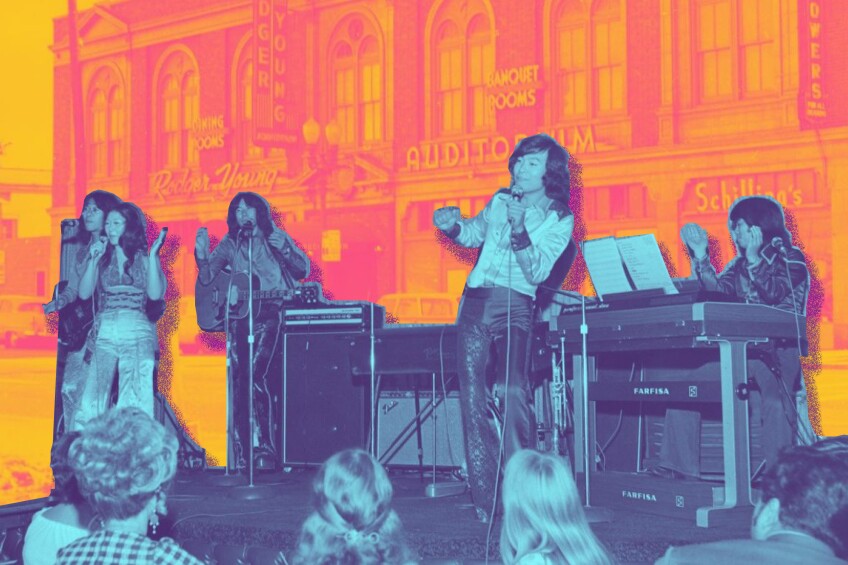
If you’ve ever listened to a chill lo-fi beat, watched an emotional anime scene, or heard a unique sample in a hip-hop track, chances are you’ve already experienced the Japanese influence on American music and you just didn’t realize it.
From jazz fusion to anime soundtracks, Japanese music has quietly shaped the sound of modern American culture. It’s not always obvious, but once you start noticing it, you hear it everywhere. What makes this influence even more interesting is how naturally it blends into different genres, creating something that feels both familiar and completely new.
Early Cultural Exchange & Jazz Fusion
The connection between Japanese and American music starts right after World War II. As American jazz flooded into Japan through radio stations and touring musicians, something unexpected happened: Japanese artists didn’t just absorb it, they transformed it
This is where jazz fusion comes in.
Japanese artists began experimenting with electronic sounds, funk rhythms and smooth melodies, creating a distinct style that eventually, Japanese influence on American music led to global music trends. Over time, these sounds made their way back into American music, especially in genres like lo-fi and experimental hip-hop.
Today, many producers draw inspiration from Japanese jazz records because of their unique textures and emotional depth. Artists like The Weeknd have embraced atmospheric, synth-driven sounds that echo the smooth, nostalgic feel found in Japanese city pop and jazz fusion. While producers such as Nujabes have directly bridged the gap between jazz and hip-hop, influencing an entire generation of listeners and creators. It’s a full-circle moment. American jazz influenced Japan and Japan reshaped it into something that now inspires American artists again.
Sampling & Hip-Hop Connections
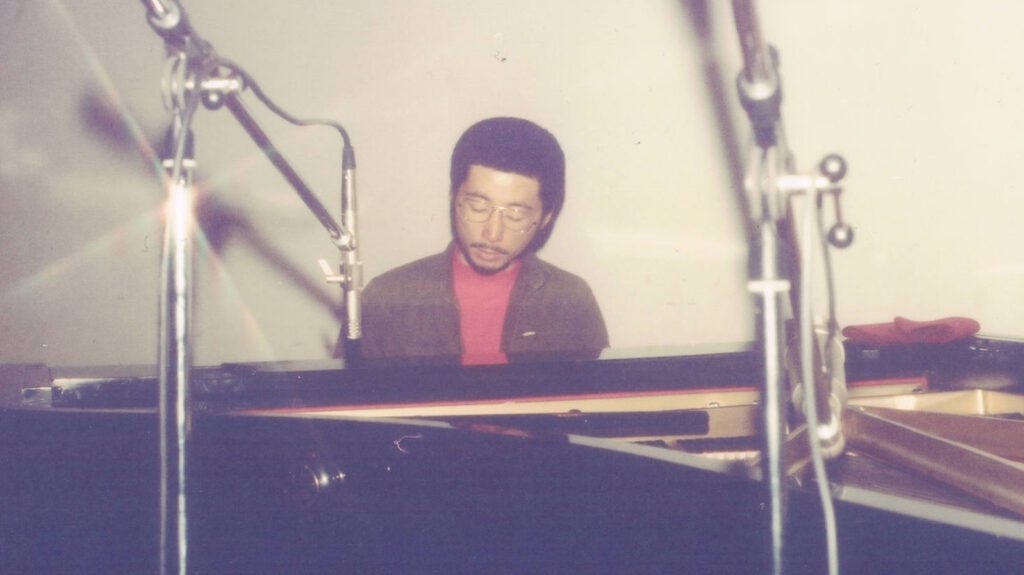
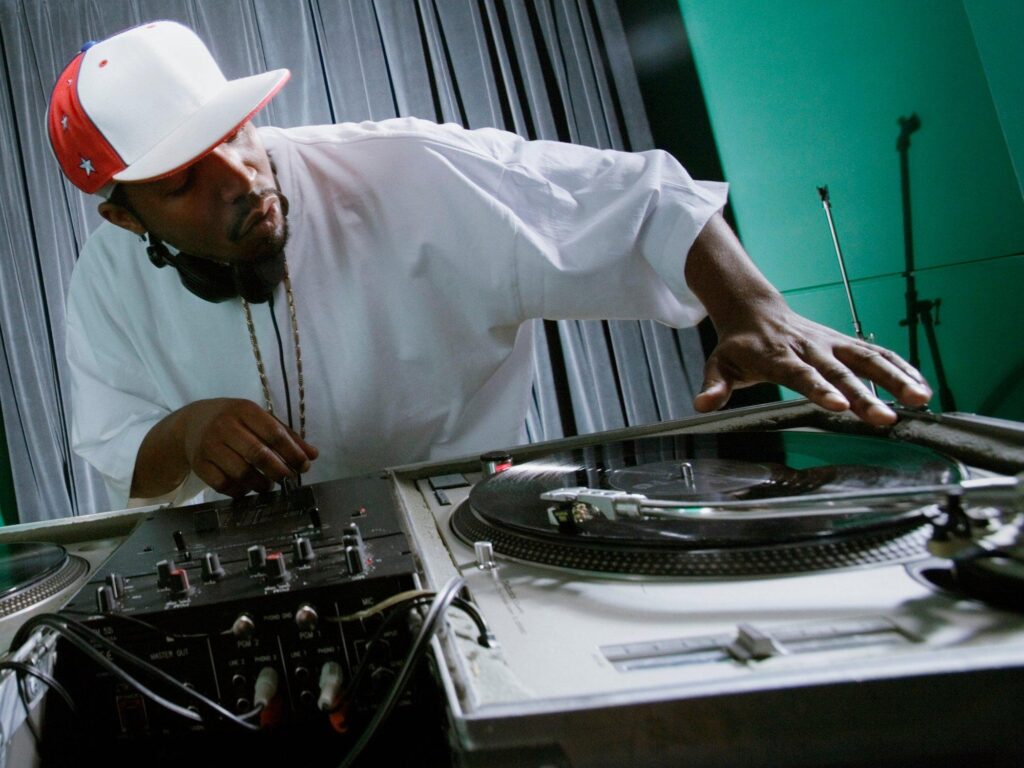
One of the clearest examples of Japanese influence on American music is through sampling in hip-hop.
Producers are constantly searching for fresh, unique sounds. Japanese music, especially older genres like city pop and jazz, offers exactly that. These tracks often have rich instrumentals, smooth vocals, and a nostalgic feel that fits perfectly into modern beats.
Because these songs weren’t always widely known in the U.S., they became a kind of hidden treasure for producers. Sampling them allowed artists to create something that felt new while still rooted in musical history.
There’s also a deeper cultural connection here. Both American and Japanese hip-hop scenes developed as forms of expression within communities, which is why they naturally resonate with each other. This shared foundation makes the cultural fusion feel authentic rather than forced.
Curious about the deeper history of sampling culture? Explore our music community to connect with other fans and creators who dig into these connections.
Anime & Soundtrack Influence
If there’s one area where Japanese influence on American music has had a massive impact, it’s through anime.
The anime soundtrack influence on American audiences is huge, especially for younger generations. Shows often use powerful music to enhance storytelling, whether it’s an intense fight scene or an emotional moment, this approach has influenced how music is used in other forms of media.
You can see this influence in:
- Lo-fi and chill hip-hop channels on YouTube draw directly from anime visual aesthetics and emotional textures
- TikTok and Instagram edits routinely use anime original soundtracks, introducing tracks to millions of new listeners
- American artists incorporate cinematic, emotionally-driven production styles inspired by anime scores
- The “anime aesthetic” has become its own genre of lo-fi music, with playlists racking up billions of streams
Anime music doesn’t just stay within shows. Oftentimes it spreads across platforms and inspires creators everywhere. For many people, anime is actually their first introduction to Japanese music, making it a major gateway into global sounds.
Hear it for yourself! Explore a Japanese Playlist

Cultural Fusion & Breaking Language Barriers
One of the most remarkable things about the Japanese influence on American music is how naturally it crosses the language barrier.
You don’t need to understand the lyrics to feel the emotion in a song. That’s why Japanese music connects so easily with American listeners. The mood, production and storytelling carry meaning on their own.
Streaming platforms have made this even easier. Today, listeners can discover music from anywhere in the world instantly, leading to more culture fusion than ever before. Japanese artists are reaching global audiences, while American artists continue to draw inspiration from their sound.
This exchange isn’t one-sided, rather it’s a continuous loop of influence. Music flows between cultures, evolves and comes back in new forms.
Want to explore more about how global sounds are reshaping American music? Visit our community for playlists, discussions and recommendations from fellow music lovers.
Why This Influence Matters
Understanding the Japanese influence on American music isn’t just an interesting piece of trivia. It reshapes how we think about where creativity comes from.
The music we listen to isn’t the product of one culture, one city, or one generation. It’s the accumulated result of exchange, borrowing, transformation, and reinvention across borders. Jazz went to Japan. Japan gave back its transformation. Hip-hop producers discovered those records. Anime introduced a new generation to the Japanese sound entirely. And the loop keeps going.
It also challenges the assumption that language limits music. The tracks that move us most often defy easy explanation. They operate at a frequency below language, where geography and grammar don’t matter. Sound, rhythm, and emotion are genuinely universal.
The next time you hear a beat that feels different, more cinematic, more emotionally resonant, smoother than it should be, there’s a good chance Japan is somewhere in its DNA. You just have to listen a little closer.

Let’s Wrap things up
Japanese influence on American music has been shaping American sound in ways most people don’t even notice. From jazz fusion and hip-hop sampling to anime-inspired storytelling, it’s subtle, but it’s everywhere.
The next time you hear a beat that feels different or a song that hits emotionally in a unique way, there’s a good chance that influence is there.
You just have to listen a little closer. Want to hear it for yourself?
Explore a Japanese playlist and see how many sounds you recognize! You might be surprised how familiar it all feels.