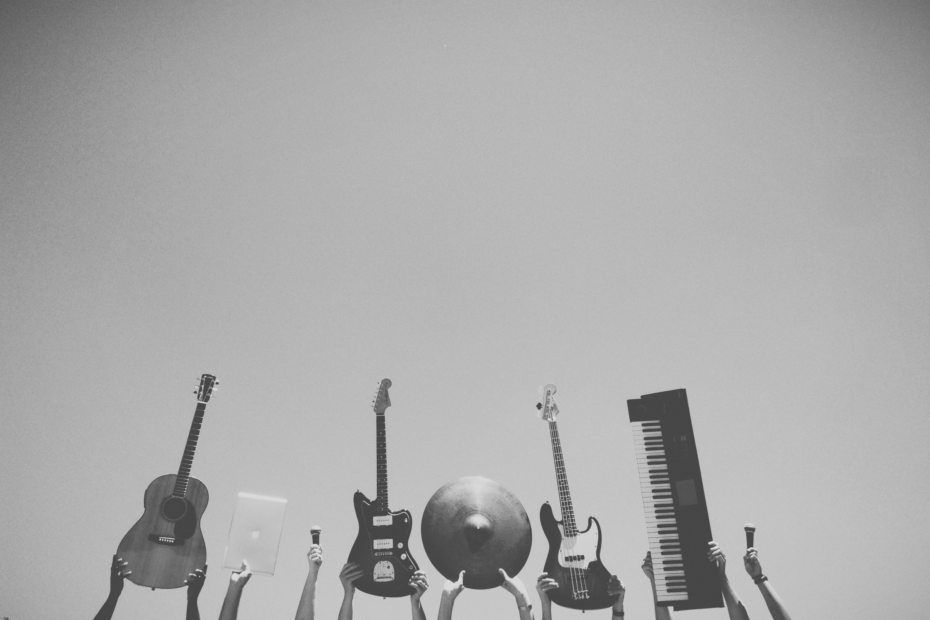
Work looks very different than it did a decade ago. Hustle culture in music has become a defining force in how artists create, work, and present themselves
For many people between 18 and 35, careers are no longer defined by a single job or predictable schedule. Freelance work, remote jobs, side hustles and creator economies have reshaped how people think about productivity and independence. We explored this trend more deeply in our article on why people crave nostalgic music during economic uncertainty
Alongside this shift, something interesting has happened to the way we listen to music.
The rise of hustle culture in music is quietly transforming everyday listening habits. Instead of music only serving as entertainment, it has become a tool for concentration, motivation, and emotional regulation during work.
From lo-fi study beats to minimalist electronic soundscapes, the soundtrack of modern productivity reveals a lot about the cultural moment we’re living in.
Music isn’t just reflecting hustle culture. In many ways, it’s helping power it.
Why Hustle Culture Changed How We Listen to Music
Hustle culture is built on a simple idea: productivity never fully stops.
Students study while listening to music. Creators edit videos with playlists running in the background. Freelancers work late nights with headphones on. Even commuting, exercising, or organizing tasks often comes with a soundtrack.
Because of this constant multitasking, listeners increasingly prefer music that supports focus instead of demanding attention. That’s where minimalism and independence in music start to matter. Songs designed for productivity tend to share certain characteristics:
- repetitive rhythms
- soft melodies
- minimal lyrics
- steady pacing
This type of music blends into the background while still providing energy and emotional stability. The result is an entirely new category of listening behavior: music designed to support work culture.
Case Study: The Rise of Lo-Fi Study Music
One of the clearest examples of hustle culture in music is the explosion of lo-fi hip-hop streaming channels. Over the last decade, lo-fi has quietly become the unofficial soundtrack for students, freelancers, and creators working in digital spaces.
A well-known example is the continuous livestream Lo-Fi Girl, which attracts millions of listeners around the world who use the music to study, focus, or work for hours at a time.

What makes lo-fi so effective isn’t musical complexity. It’s simplicity. Most lo-fi tracks are intentionally minimal, often built from a few calming elements:
- soft drum loops
- mellow piano chords
- vinyl crackle textures
- minimal lyrics or none at all
Together, these elements create an atmosphere that feels calm, steady, and mentally focused. Students play it while studying. Freelancers keep it running during long work sessions. Designers and programmers often use it as background sound while coding or creating.
In many ways, lo-fi reflects the same values as the work culture surrounding it: focus, independence, and sustainability. Rather than demanding attention, the music creates a stable emotional environment where productivity can happen naturally.
That’s why lo-fi didn’t just become a genre, it became a tool for modern work culture.
Independence in Music Mirrors Independent Work
Another reason hustle culture in music resonates today is because many of the artists behind productivity playlists are independent creators.
Streaming platforms have also accelerated the rise of productivity playlists and algorithm-driven listening habits. We explored this shift in our article on how digital music culture is reshaping the way we listen. Independent artists can produce instrumental or ambient tracks, upload them to streaming platforms, and reach global audiences.
This mirrors the rise of independent work across other industries. Just as freelancers build careers outside traditional companies, independent musicians build audiences outside traditional label structures.
The connection between independence in music and independent work culture isn’t accidental. Both represent a shift toward creative autonomy.
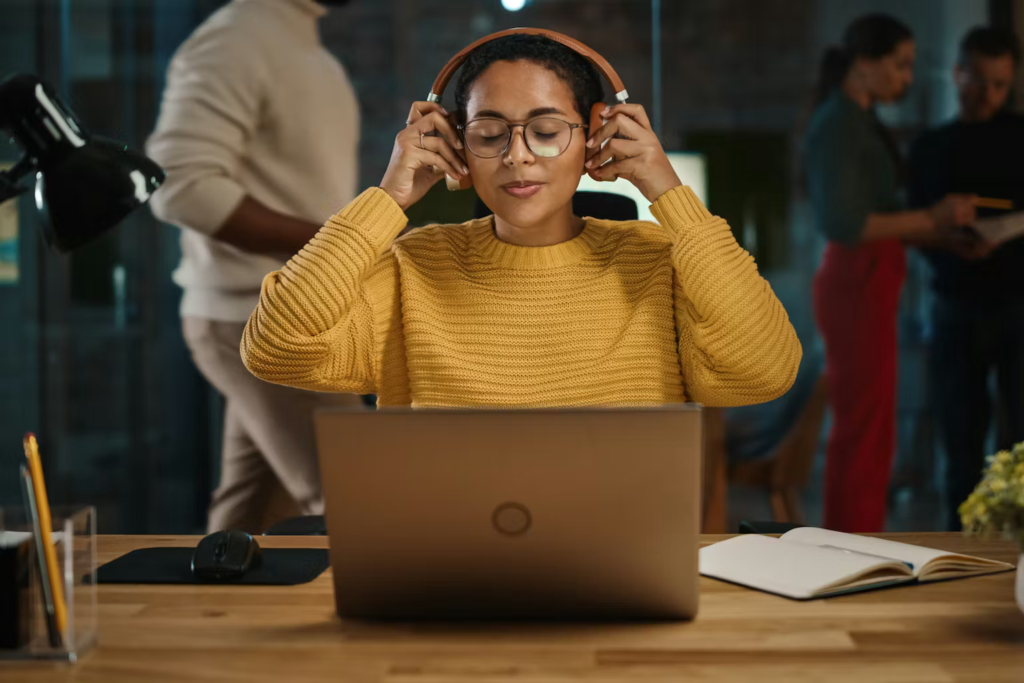
Minimalism Reflects Modern Work Habits
Minimalism is another defining trait of hustle culture in music.
Fast-paced work environments demand music that enhances concentration rather than competing with it. Highly complex songs with dramatic tempo changes can disrupt workflow.
Minimalist music does the opposite. Repetitive structures and steady rhythms create psychological stability. The brain can focus on tasks while the music maintains emotional momentum.
This is why minimalist electronic music, ambient music, and instrumental hip-hop dominate productivity playlists. In a way, these sounds mirror the streamlined workflows many professionals are trying to build: fewer distractions, more clarity.
Music Shapes How We Work
One of the most interesting aspects of hustle culture is that music doesn’t just accompany work. It actively influences it.Music can:
- increase motivation
- regulate stress
- improve concentration
- create a sense of progress during repetitive tasks
For many listeners, productivity playlists act almost like a mental switch. Press play, and the brain enters work mode. The sound of modern productivity is quiet, steady, and focused.
Why This Matters for Music Culture
Looking at hustle culture in music reveals something deeper about how culture and economics interact.
When economic conditions encourage independence and side hustles, people naturally gravitate toward music that supports long work hours and creative focus.
In other words, our listening habits reflect our survival strategies. This connection between economic pressure and musical trends shows up throughout history. If you want to explore the bigger cultural pattern, we break it down in our full analysis of how economic uncertainty shapes music culture. Understanding these connections helps us see music not just as entertainment, but as a cultural tool that supports how we live and work.
Join the Conversation
Share your thoughts in the comments and join the discussion
What music helps you focus while working?
Do productivity playlists actually make you more productive?
Or do you prefer silence when you work?