
Have you ever watched a movie scene that gave you chills? Or played a video game where the music made your heart race? That’s the magic of how music enhances visual storytelling.
Music plays a huge role in how we experience movies, TV shows, video games, music videos, and online content. Even when you don’t notice it right away, music helps guide your emotions, shape the story, and make scenes stick in your memory. This is why understanding how music enhances visual storytelling is so important in today’s media-driven world.
Here’s the thing, visual storytelling isn’t just about what you see on the screen. It’s also about what you hear. When music and visuals work together, they create powerful moments that stay with you long after the credits roll. From tear-jerking movie scenes to epic video game battles and viral TikTok videos, sound helps bring stories to life.
What Is Visual Storytelling?
Let’s break it down. Visual storytelling is how stories are told through images, video, and movement instead of just words. It includes things like camera angles, lighting, colors, and editing. But here’s what many people miss: sound and music are just as important as the visuals themselves.
When you add music to visuals, the story becomes clearer and stronger. Music can show you how a scene feels without anyone saying a word. A slow piano melody can make a moment feel sad or reflective. An upbeat track can make a scene feel exciting or intense. This connection between music and visual storytelling helps audiences understand what’s happening and how they should feel.
These days, visual storytelling is everywhere. Movies, TV shows, video games, YouTube videos, Instagram reels, and ads all rely on music to connect with viewers. Without music, many scenes would feel flat or confusing.
The Emotional Power of Music
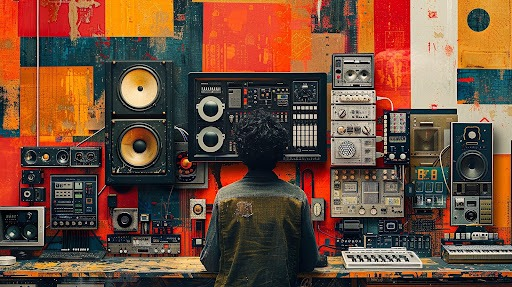
One of the biggest reasons the role of music in film and other media matters is emotion. Music helps us feel happy, scared, excited, calm, or sad. It basically tells our brains how to react to what we’re seeing on screen.
Think about a movie scene where a character says goodbye to someone they love. Without music, the moment might feel ordinary. But when soft, emotional music plays in the background, suddenly you’re reaching for tissues. This is a perfect example of music and emotion in the media working together.
Music can also create emotional memories that last for years. Many people remember specific movie scenes because of the song that played during that moment. When you hear that song again, you instantly remember the story, the characters, and exactly how it made you feel. This is why music is such a powerful storytelling tool.
Explore our playlist of the most emotional movie soundtracks of all time.
How Music Guides the Audience (Without Them Even Knowing)
Music does way more than just create emotion. It also helps guide you through the story. Music can signal when something important is about to happen or when the mood of a scene is changing.
For example, tense music can warn you that danger is coming (think Jaws). Calm music tells you that a moment is safe or peaceful. This is part of sound and storytelling, where music works like an invisible guide without using any words.
Music also controls the pacing of a story. Fast music makes scenes feel quick and energetic. Slow music makes time feel longer and more thoughtful. Directors and editors use these choices to shape how you experience each moment. Understanding how music enhances visual storytelling means recognizing these subtle tricks.
Music in Film and Television
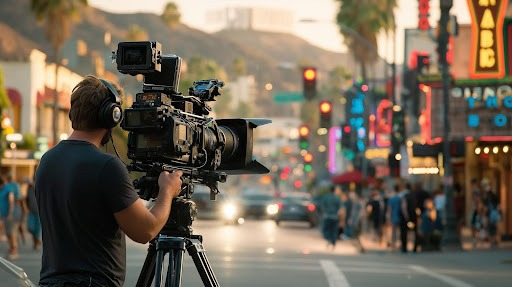
The role of music in film has been essential for nearly a century. Movie soundtracks help define characters, themes, and emotions. Think about Star Wars, Titanic, or The Lion King. These films are remembered just as much for their music as for their visuals.
In television, music helps set the tone for entire shows and episodes. Theme songs create familiarity (you know a Friends episode is starting the second you hear “I’ll Be There for You”). Background music keeps viewers emotionally connected to the story, even during quiet dialogue scenes.
Music in movies and television also helps link scenes together smoothly. It can make transitions feel natural, highlight important moments, and make complex stories easier to follow. Without music, many films and shows would feel incomplete or disconnected.
Music in Video Games
Music plays a unique and interactive role in video games because you’re not just watching, you’re part of the story. Music in video games reacts to what you do and changes based on what’s happening in the game world.
For example, calm exploration music might play when you’re wandering around. But the moment an enemy appears? The music shifts to something intense and fast-paced. This dynamic soundtrack helps players feel more involved and aware of dangers or challenges.
Video game music also helps build immersive worlds. It sets the mood and style of each environment. Whether it’s a fantasy kingdom, a futuristic space station, or a creepy haunted house, music makes the experience feel real and memorable. Games like The Legend of Zelda, Final Fantasy, and The Last of Us are famous for their soundtracks.
Music Videos as Visual Storytelling
Music videos are probably the best examples of music videos and storytelling working in perfect harmony. In a music video, sound and visuals are designed as one complete artistic experience.
Music videos often tell mini-stories, express raw emotions, or build an artist’s brand and image. Some videos follow clear storylines (like a short film), while others focus purely on mood, aesthetics, and vibes. Either way, the music guides what you see and how you interpret it.
Today, music videos go viral on platforms like YouTube, TikTok, and Instagram every single day. A strong music video can help a song blow up overnight and connect with millions of people around the world. This shows just how powerful visual storytelling can be when it’s paired with the right music.
Subscribe to our channel for weekly breakdowns of creative music video techniques.
Why Music and Visuals Are Stronger Together
When music and visuals work together, they create experiences that feel complete, meaningful, and unforgettable. Visuals show you what’s happening, but music tells you how to feel about it. This is exactly why how music enhances visual storytelling is such an important concept for anyone creating content today.
Music deepens emotional impact by adding layers of feeling to images. Sound helps guide the story by shaping pace, mood, and tension. Visual storytelling becomes exponentially stronger when music is chosen with intention and purpose.
In our modern media landscape, people are bombarded with content every single day. Music helps stories cut through the noise and stay memorable. It turns simple scenes into moments that audiences remember, share, and come back to again and again.
The key is understanding that music and visual storytelling aren’t separate elements, they’re partners. The best filmmakers, game designers, and content creators know this secret.
The Lasting Impact of Music in Visual Media
As technology continues to evolve, the use of music in visual media will keep changing too. New platforms, AI tools, and creative styles will transform how stories are told. But one thing will never change: the deep connection between sound and visuals.
For filmmakers, game designers, YouTubers, TikTokers, and artists of all kinds, music isn’t just an optional extra. It’s a fundamental part of storytelling. Understanding the power of music can help you build stronger stories and create deeper connections with your audience.
Music will always play a critical role in shaping how we experience visual stories. Whether it’s a blockbuster movie, an indie game, or a 15-second Instagram reel, sound helps transform visuals into experiences that last.
Ready to Level Up Your Content?
Want to dive deeper into the connection between sound and story?
Join our community of on music and storytelling
Now that you understand how music enhances visual storytelling, it’s time to put it into practice. What will you create next?
What’s your favorite example of music enhancing a story? Drop a comment below and let us know!