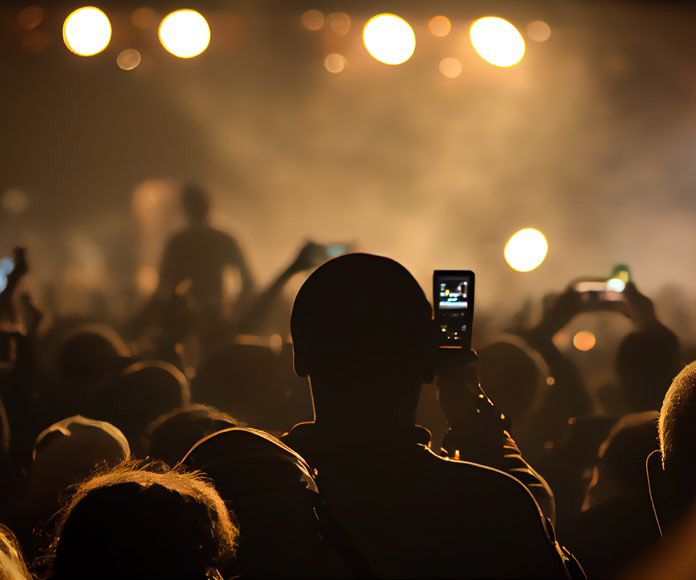
Let’s start with something simple: music doesn’t exist in a vacuum. It never has.
We like to talk about hits, charts, algorithms, and virality as if songs rise and fall on their own merit. But music is emotional data. It’s a real-time response to what people are living through. And nothing shapes collective emotion quite like the economy.
When the economy shifts, people feel it long before the headlines explain it. Rent creeps up, groceries cost more, jobs feel unstable, layoffs hit friend groups, student debt lingers, optimism dips or sometimes spikes in defiance. Social tension rises. Anxiety hums in the background.
And then something interesting happens. The music changes.
To really understand how the economy affects music, we have to look beyond streaming numbers and Billboard charts. The deeper shifts show up in tone, storytelling, genre dominance, production style, and even how songs are distributed. It’s in the rawness of a lyric. The tempo of a hook. The grit or gloss of a mix. The aesthetic of a music video.
Economic pressure doesn’t just change markets. It changes mood, mood is the engine of music.
Throughout history, economic shifts and music have moved together in a kind of cultural choreography. When uncertainty rises, the soundtrack of a generation transforms. Not by accident, but as a survival mechanism. This is the sound of survival.
Music During Economic Downturns
Economic downturns don’t just impact portfolios. They reshape identity. When money is tight and the future feels shaky, music typically moves in one of two directions:
It becomes raw, reflective, and brutally honest. Or it becomes brighter, louder, and intentionally escapist.
Sometimes both happen at the exact same time.
That duality is the defining feature of recession-era music. People either want validation for how they feel, or they want relief from it. Music becomes both a mirror and a mask. If you want to understand a generation during economic uncertainty, look at which direction the dominant genres are pulling and why.
The Great Depression: Storytelling as Survival
During the Great Depression, unemployment soared past 25 percent and financial institutions collapsed across the country. Millions of families were displaced. Stability felt like a distant memory.
Music of that era leaned heavily into storytelling. Blues, folk, and gospel became emotional outlets for working-class Americans who had no other platform to process their grief.
Artists like Woody Guthrie documented migration, labor struggles, and resilience through stripped-down instrumentation and direct, unpolished lyrics. Songs weren’t glossy. They weren’t heavily produced. They were human, sometimes painfully so.
This is one of the earliest clear examples of how the economy affects music. When survival becomes the daily priority, art becomes grounded in lived experience. Fancy production budgets disappear. What remains is the voice, the story, and the shared feeling of endurance.
At the same time, jazz flourished in dance halls and clubs across urban America. Even during extreme economic hardship, people sought joy and community.
Escapism and realism coexisted and sometimes in the same city block. Economic shifts and music were already deeply intertwined, shaping both emotional expression and the social spaces where people gathered.
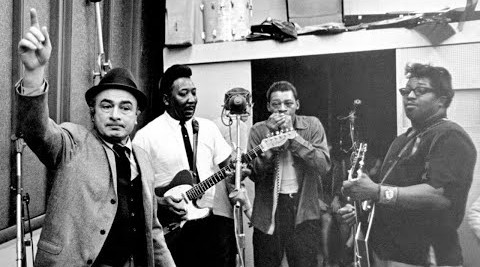
‘How economics can explain the music industry’ supports the argument about how economic conditions shaped folk and blues production styles during the Depression era.
The 1970s Recession: Rebellion in Sound
Fast forward to the 1970s. Stagflation. Rising unemployment. Political distrust. New York City is facing bankruptcy. The American Dream is starting to feel like a broken promise.
Out of that instability came some of the most influential genres in modern music.
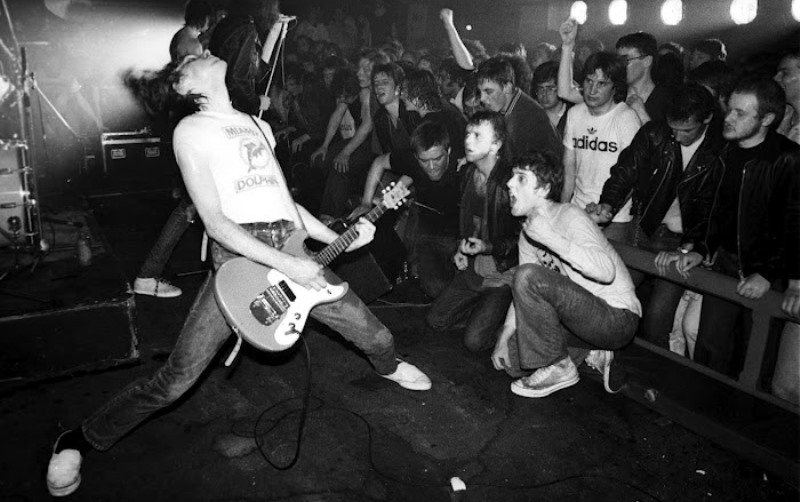
Punk exploded with raw, stripped-down energy. It rejected excess. It rejected polish. It rejected the bloated arena rock that dominated the early part of the decade. Punk wasn’t just a sound, it was a reaction to economic and institutional failure.
Bob Dylan pushed back against the expectations of his time, calling out authority and wrestling with big, enduring questions about change, truth, and what it means to be human. He became a voice for a generation fed up with war and injustice, while also turning inward to explore personal freedom, identity, and spiritual searching.
Meanwhile, in the South Bronx, one of the most economically neglected parts of New York, hip-hop was born.
Limited access to traditional music infrastructure forced innovation. Turntables became instruments. Block parties became venues. Sampling became a creative rebellion. What started in overlooked neighborhoods became a global cultural force.
On the other hand, disco thrived at the same time. Clubs glittered. Dance floors pulsed. The songs were euphoric, polished and communal. While some artists channeled anger, others built temporary utopias under spinning mirror balls.
That’s what recession music trends actually look like: fragmented, emotional, layered. Not uniform. Different communities cope differently.
Even in extreme economic hardship, people still crave joy. In fact, especially then. Economic shifts don’t produce one emotional response. They produce a spectrum.
The 1970s demonstrate that music during recession periods doesn’t move in one direction. It shifts, reflecting different emotional coping mechanisms.
The 2008 Financial Crisis: Escapism and Recession Pop
The 2008 financial crisis hit millennials at a formative moment. Many were graduating into job scarcity, housing instability, and mounting student debt. The economic ladder felt like it was being pulled up in real time.
And yet… mainstream radio was euphoric. Dance-pop dominated the charts. High-energy hooks. Synth-heavy production. Lyrics about partying, living in the moment, and losing yourself in the night.
Artists like Lady Gaga and Kesha delivered glitter-drenched anthems that defined what became known as “Recession Pop.”
Why did upbeat music thrive during such hardship? Because when the future feels unstable, the present becomes urgent.
The dance floor becomes temporary freedom. Celebration becomes resistance. If you can’t fix the housing market, you can at least feel alive for three minutes and thirty seconds.
At the same time, something quieter was happening. Indie and acoustic-driven artists built loyal audiences through vulnerability and introspection. Streaming platforms were rising. Social media was expanding discovery. Confessional songwriting found a home online.
Again, two emotional responses. One economic backdrop.
Recession music trends are rarely one-note. They reflect tension between how people feel and how they want to feel.
Join the Conversation
When times feel uncertain, do you gravitate toward upbeat music or something more reflective?
Share your thoughts below! The Sonic Archive Community would love to hear your perspective.
Post-2020: The Pandemic Economy Digital Speed of Sound
The COVID-19 pandemic wasn’t just an economic downturn. It was emotional, structural, and technological disruption all at once.
Live tours stopped overnight. Venues closed indefinitely. One of the industry’s largest revenue streams vanished in weeks. Artists who built careers around live performance had no stage. But music adapted fast.
Home studios became the norm. Bedroom pop flourished. Independent musicians leveraged TikTok, YouTube, and Instagram to build audiences directly, bypassing traditional gatekeepers.
Songs got shorter. Hooks arrived faster. Viral moments replaced radio spins.
Production leaned intimate. Lo-fi textures. Close-mic vocals. Confessional lyrics. The isolation people felt showed up in the mix itself.
At the same time, nostalgia surged. 2000s samples. Y2K aesthetics. Retro synth revivals. When the future feels unclear, culture reaches backward for comfort.
The pandemic era proved something profound: music doesn’t need massive infrastructure to move millions. It needs emotional honesty and distribution. And distribution has never been more democratized.
Economic shifts didn’t just change the sound. They changed the pipeline — creation, promotion, monetization, fan engagement. That transformation is still unfolding.
If you’ve explored our post on The Powerful Rise of Digital Music Culture in the Streaming Era, you’ve already seen how platform economics reshape creative decisions.
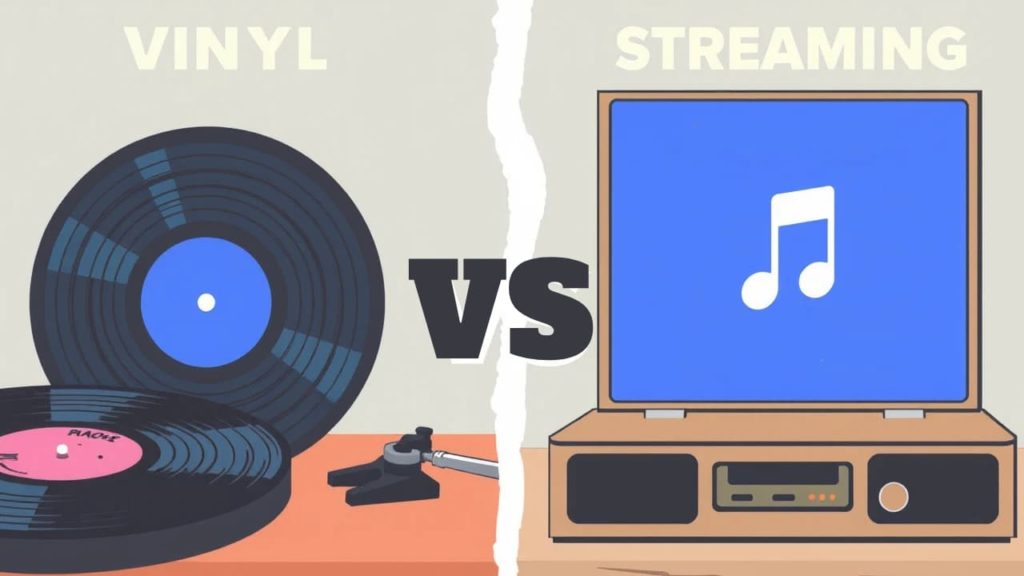
Why Tough Times Change the Way Music Sounds
Let’s zoom out.
The connection between economic shifts and music starts with a simple truth: artists live in the same world as everyone else. They pay rent. They lose jobs. They feel anxiety. They scroll headlines. They worry about the future.
Economic instability alters how people imagine tomorrow. Anxiety rises. Risk tolerance drops. Anger sharpens. Hope flickers. That emotional cocktail shapes everything:
- Lyrical themes tilt toward struggle, resilience, defiance, or escapism.
- Genre popularity reflects what listeners need most.
- Production gets leaner when budgets shrink.
- Visual aesthetics swing between grit and spectacle.
- Independent scenes rise when major labels grow risk-averse.
Constraints breed innovation. When systems tighten, margins become incubators.
Hip-hop in the Bronx. Punk in London. Bedroom pop during lockdown. These weren’t accidents. They were creative responses to limited access and financial pressure.
Recession periods often give birth to the next dominant sound precisely because mainstream institutions hesitate to experiment during uncertainty.
Economic Booms, What About Them?
It’s not just downturns that shape music. Booms leave fingerprints too.
When consumers feel financially secure, music often becomes bigger, shinier, more extravagant. Themes of wealth, celebration, and ambition dominate.
The Roaring 20s brought jazz excess and big band spectacle. Post-war prosperity fueled rock and roll’s commercial explosion. The economic expansion of the 1990s amplified hip-hop’s mainstream dominance and the rise of massive pop productions.
During boom periods, artists and labels have more room to take creative risks because financial cushions exist. Tours get bigger. Visual production scales up. Luxury becomes an aesthetic language.
Here’s the irony: some of the most revolutionary music doesn’t emerge from comfort. It emerges from friction. Booms amplify. Downturns refine. Both matter.
Nostalgia, The Comfort Food of Economic Uncertainty
One of the most consistent recession music trends is nostalgia. When financial stress rises, listeners instinctively gravitate toward familiar sounds. Comfort replaces novelty. The music of childhood becomes emotional insulation. Nostalgic music trends during recessions and that’s a cycle we often see.
We saw it in the 1970s with classic rock revivals. We saw it after 2008 with throwback soul and Motown-inspired pop. We saw it during the pandemic with 80s synth-pop and early-2000s aesthetics dominating playlists.
Nostalgia isn’t just sentimental. It’s strategic. Familiar sounds are safer commercial bets during uncertain times. They come with built-in audiences. Psychologically, nostalgia signals something deeper: uncertainty about the future. When forward momentum feels unstable, culture circles back.
The Cultural Impact on Music Goes Beyond Sound
Understanding how the economy affects music requires looking at culture holistically.
Music influences:
- Fashion
- Film soundtracks
- Social media trends
- Visual branding
- Identity formation
During economic downturns, aesthetics often shift toward minimalism or grit. During boom periods, excess and spectacle rise. Music doesn’t just reflect economic reality — it shapes how we emotionally process it.
For students, creatives, and digital natives navigating uncertain financial landscapes, music becomes both expression and escape.
What Today’s Music Says About Today’s World
Look at today’s landscape and you’ll see contradictions everywhere. Hyperpop chaos alongside soft indie minimalism. Trap realism beside “soft life” aesthetics. Luxury rap coexisting with vulnerable singer-songwriter confessionals. Club anthems next to lo-fi study playlists.
This fragmentation mirrors the economy itself. Some thrive in the creator economy. Others struggle with inflation, housing costs, and job instability. Both realities exist at once. Themes dominating today include:
- Radical independence
- Hustle culture and burnout backlash
- Emotional transparency
- Digital acceleration
- Deep nostalgia cycles
A generation raised online is comfortable with vulnerability in a way previous generations weren’t. Economic pressure plus digital exposure equals emotional openness in songwriting. Music is capturing uncertainty, but also adaptability. It’s the sound of people building something anyway.

The Sound of Our Moment
Every era leaves behind a sonic fingerprint shaped by its financial climate.
The Great Depression gave us storytelling as survival.
The 1970s recession birthed punk and hip-hop rebellion.
The 2008 crisis produced euphoric escapism and quiet introspection.
The pandemic accelerated digital independence and intimacy.
Economic shifts and music are intertwined because both are responses to human emotion under pressure. Music doesn’t just reflect the economy. It helps people process it. When systems wobble, songs stabilize us. When opportunity expands, songs celebrate it. When certainty disappears, music fills the silence.
If you want to understand where music is going next, don’t just study charts. Study economic mood. Listen to how people feel about their future. Watch where financial pressure builds. Notice when optimism returns. The soundtrack will follow.
We’re writing it right now in home studios, on social platforms, in tiny venues, and in playlists that may never trend but still define someone’s life. All of it is evidence. All of it is history in the making. Long after economists summarize this decade in charts and data, we’ll remember it by how it sounded.
Add Your Voice
Before you go, we want to hear from you! At The Sonic Archive, we see music as cultural evidence.
How do you think today’s music reflects today’s economy?
Use the form below to share your thoughts and join our creative community conversation.