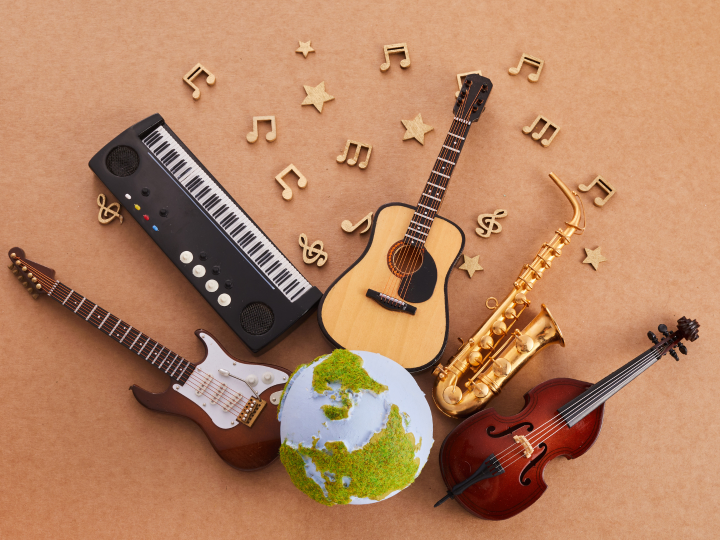
Music is one of the few things that almost everyone in the world understands. The cultural impact of music shapes how communities express identity, connect across generations, and influence social change. Even if you don’t speak the language in a song, you can still feel the emotion behind it — the joy, the sadness, the excitement, the energy — the cultural impact of music. That’s what makes music so powerful. It connects us, teaches us, and helps us understand people from different places and cultures
Think about the first song that ever meant something to you. Maybe it reminded you of home, a friend, or a special moment. Music has a way of sticking with us and becoming part of who we are. And in our world today, with streaming, social media, and global trends, music travels farther and faster than ever before.
This blog will take you on a journey to explore how music connects cultures, shapes our identities, and brings people together across the world.
Music Is a Universal Language
Have you ever heard a song in another language and still loved it, even if you didn’t understand the words? That’s because music doesn’t need translation. It speaks through rhythm, emotion, and energy.
For thousands of years, people have used music to celebrate, heal, teach, and share stories. Drums, chants, instruments, and singing have always helped communities communicate and express themselves.
Today, science also shows that music touches parts of the brain linked to emotion and memory. This is why a melody can make you feel something instantly, even if you’ve never heard it before.
Music connects people.
Music brings feelings to life.
Music makes the world feel a little smaller.
How Music Shapes Culture
Every generation has music that defines its identity. When people look back at history, they don’t just remember events — they remember the sounds that went with them. The 70s had disco and funk. The 80s had pop and rock anthems. The 90s brought hip-hop and R&B into the spotlight. Today, genres like EDM, reggaeton, Afrobeats, and K-pop connect millions of people across the world.
Music becomes a time capsule. It captures what people cared about, what they felt, and what they wanted to say during that moment in history. Because of that, music helps us understand the values, struggles, and dreams of a culture.
Here are the main ways music shapes culture and why it matters:
1. Music gives people a voice
Music allows people to express feelings they might not say out loud.
Artists write about love, pain, change, unfairness, or happiness, and listeners feel understood. Sometimes music even gives communities a voice when they don’t feel heard.
For example:
- Hip-hop started as a way for Black and Latino communities to speak about their real experiences.
- Folk songs have been used for storytelling for generations.
Music becomes a safe place to speak the truth.
2. Music spreads ideas
A song can send a message to millions of people in just a few minutes.
Ideas that start in one city can travel to the entire world through streaming apps, social media, and videos. Because of this, music helps share cultural beliefs, new styles, slang, and even new ways of thinking.
Think about how a popular song can influence the way people dress, talk, or even see themselves. Music is one of the fastest ways culture spreads.
3. Music brings attention to social issues
Many artists use their music to talk about problems happening in the world.
Songs have helped raise awareness about topics like:
- human rights
- Inequality
- mental health
- war and peace
- environmental issues
A single powerful lyric can make people stop, think, and pay attention.
This is why music often becomes part of major social movements. It motivates people and brings them together.
4. Music celebrates traditions
Music is a huge part of cultural traditions — holidays, ceremonies, family gatherings, religious events, and historical celebrations all use music to honor the past.
Traditional songs help people remember where they come from.
Even when young people move to new places or countries, music keeps them connected to their roots.
Whether it’s mariachi, jazz, gospel, bhangra, reggae, or folk music, traditional sounds help cultures stay alive from generation to generation.
5. Music inspires styles, dances, and trends
Whenever a new genre becomes popular, it doesn’t just change what people listen to, it also changes:
- Fashion
- dance
- slang
- social media trends
- and even art styles
For example:
- Hip-hop influenced streetwear and breakdancing.
- Reggaeton brought new dance styles that spread worldwide.
- EDM shaped festival culture and glow-in-the-dark fashion.
- K-pop inspired global makeup and fashion trends.
Music doesn’t stand alone, it sparks entire cultural movements.
Today, music spreads faster because of the internet. A song from one part of the world can become a hit everywhere in just a few days. This makes cultures mix, blend, and influence each other in new and exciting ways.
Music and Identity
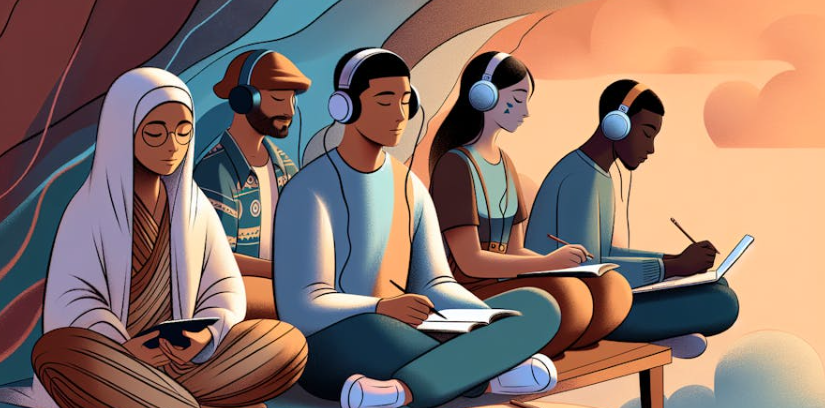
Music can say a lot about who you are.
Maybe you love rap because it feels powerful. Maybe you listen to lo-fi while studying. Maybe your family plays traditional music that reminds you of your roots. Or maybe you like songs from around the world because you enjoy learning about different cultures.
Music becomes a part of our daily lives:
- a playlist for school
- songs for relaxing
- tunes for hanging out with friends
- tracks that lift your mood
- songs that remind you of your childhood
Music lets us express ourselves. It helps us tell our stories, even when words aren’t enough.
Global Connections
Because of streaming apps, social media, and online creators, music moves around the world faster than ever.
A song from Korea can go viral in the U.S.
A beat from Africa can inspire dances on TikTok.
A Spanish song can become a worldwide #1 hit.
This is what globalization looks like: cultures connecting, sharing, and learning from each other through music. Music breaks language barriers. You don’t have to understand every lyric to feel the emotion behind it.
This makes music one of the easiest ways for young people to explore the world.
Music and Social Change
Music has always played a big role in social movements. Songs can express frustration, hope, and unity. They can inspire people to speak up, stand together, or imagine a better future.
Whether it’s protest music, hip-hop calling out injustice, or artists raising awareness about issues, music helps people feel connected to something bigger than themselves.
Music doesn’t just follow change, it starts change. At The Sonic Archive we talk about it all.
The Future of Music

As the world becomes more connected, music will keep growing and blending. We already see:
- artists from different countries working together
- songs with mixed languages
- new genres created from old ones
- young people discovering music from all over the world
- technology helping create and share music faster
But no matter how much technology changes, one thing stays the same: music helps us feel human.
Music brings people together — across countries, cultures, and backgrounds. It shapes who we are, it builds community, and it makes the world feel connected.
Music truly is a universal language, and its impact on culture is something we all experience every day. Listen to our multi language Spotify Playlist
Want to Learn More?
Curious about how music influences emotion in movies and games?
Check out our deep dive.